Built a Blender-based synthetic-data workflow with domain randomization and automatic annotations.
Computer vision · Robotics
Industrial Perception & Robotics
An end-to-end industrial perception workflow spanning synthetic data, YOLO-Pose training, simulation, real-time services, ROS 2 integration and NVIDIA Jetson deployment.
- Role
- Researcher · Computer Vision & Autonomous Robotics
- Organization
- UQTR × Noovelia
- Period
- 2024—2026
01 · Context & problem
Industrial Perception & Robotics
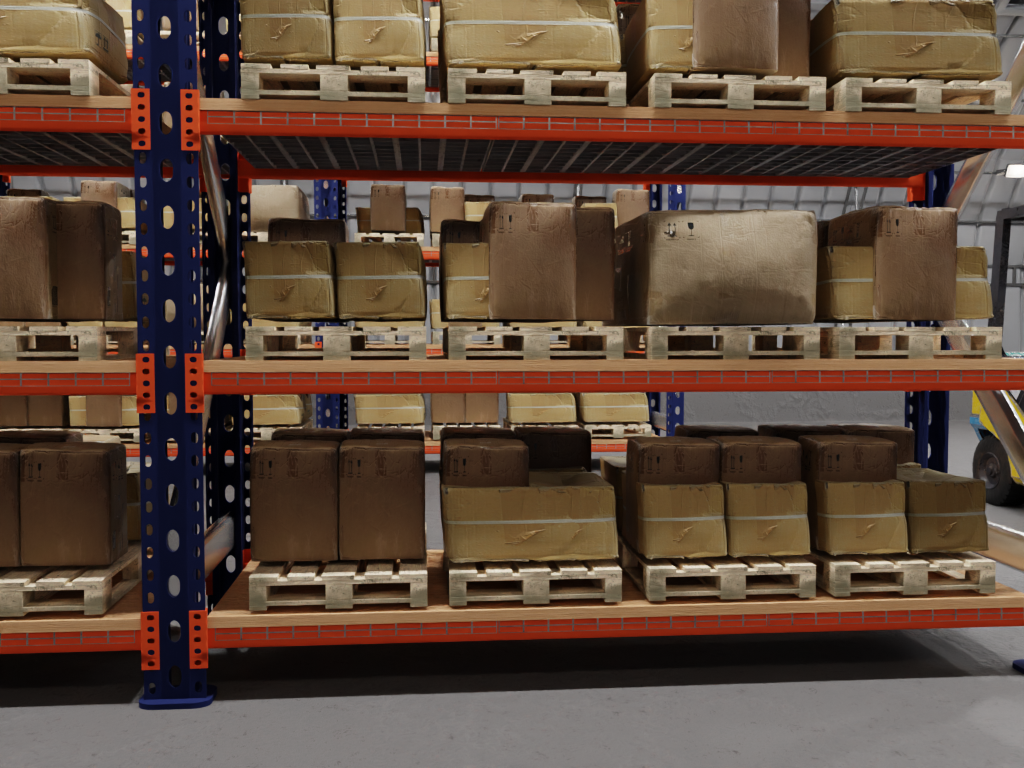
Industrial pallet perception needs more than a model checkpoint. The engineering path had to connect data generation, training, inference, simulation and deployment while remaining reproducible enough to compare robustness and latency trade-offs.
02 · What I built
Trained, fine-tuned and benchmarked YOLO-Pose models with PyTorch, Ultralytics, CUDA and NVIDIA GPU infrastructure.
Connected generation, training, inference, PyBullet simulation, FastAPI/WebSocket services and React into one workflow.
Integrated perception with ROS 2 and an existing navigation pipeline, then validated real-time operation on NVIDIA Jetson.
03 · System flow
01Synthetic data
→02YOLO-Pose
→03Inference
→04ROS 2
→05Jetson
04 · Engineering decisions
Synthetic data as infrastructure
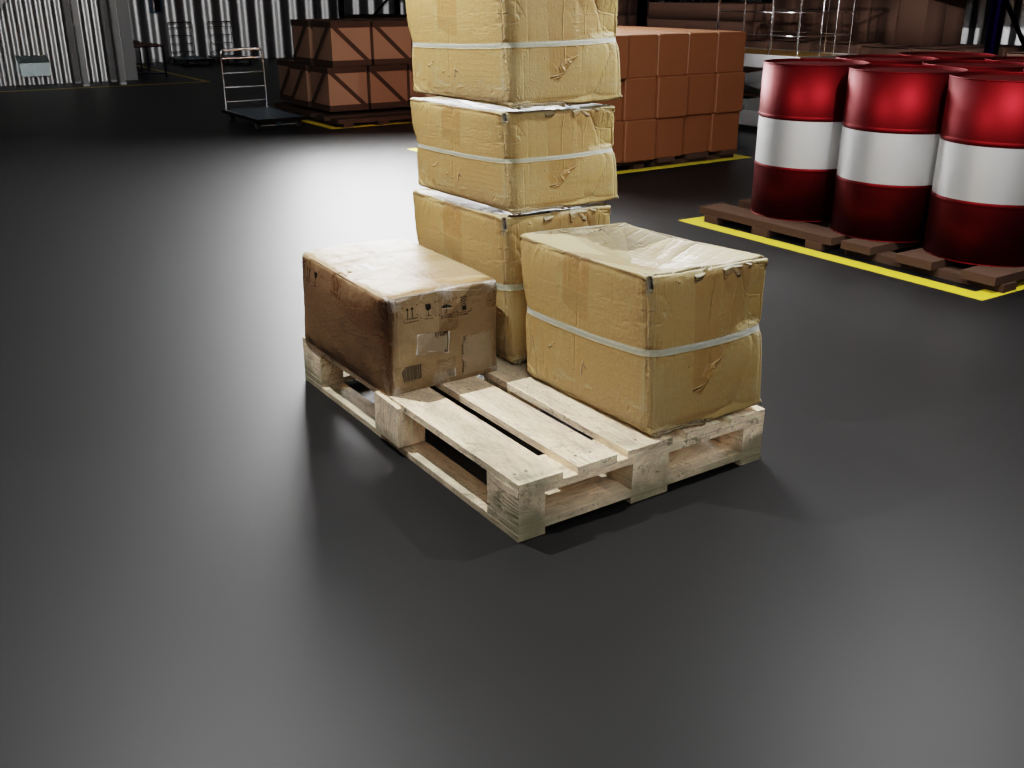
The generator was treated as a reusable system rather than a one-off script, with configuration, export formats and debugging outputs.
Reproducible evaluation
Model work was structured around robustness, generalization and performance/latency trade-offs rather than a single headline metric.
Deployment in the loop
ROS 2 and edge deployment were part of the engineering path instead of being postponed until after model development.
05 · Stack
PythonPyTorchUltralyticsYOLO-PoseCUDABlenderPyBulletROS 2FastAPIWebSocketReactNVIDIA Jetson
Project details are based on verified résumé content and public project material only.
Contact
Building something that needs real engineering depth?
Open to full-stack, backend, platform, DevOps and AI-integration opportunities in Québec, Canada and remote teams.